We wanted to highlight an excellent article from Harvard Business Review titled How to Be a Good Leader in a Bad Economy and share our takeaways. It seems like the world has just survived the Covid-19 pandemic only to enter a recession, and compounding crises make people more vulnerable. Normal “leadership principles” are not working and possibly making things worse. It is up to leaders to adapt to get the most out of their teams in a bad economy and the key is balancing their desire to move the business forward with the needs of their employees.
Read MoreReport: Driver Shortage in Europe to Triple by 2026

The IRU released a new report showing that truck, bus, and coach driver shortages in Europe could triple by 2026 if there is no action taken. The need for drivers continues to increase, with a 44% growth in demand from January to September this year. By 2026, 30% of current drivers are expected to retire. But few young drivers are joining the industry, despite pay rates that are 5 times minimum wage and high youth unemployment in many countries.
Read MoreImport Declines Expected for First Quarter of 2023
The National Retail Federation is forecasting at 15% decline in container imports for the first quarter of 2023. After peaking in May 2022, imports have been dropping because retailers have built up inventories earlier in 2022 after experiencing delays in 2021. Also, consumer demand has been slowing down as a result of higher inflation and interest rate hikes.
Read MoreThe Port of Vancouver’s Podcast
Did you know that the Port of Vancouver has a podcast? Breaking Bottlenecks just finished Season 2 which includes 5 episodes that explore bottlenecks in global trade and supply chain logistics. The podcast looks at “the intricacies, infrastructure and innovations that connect Canada’s businesses and communities with the world, as seen through the inner workings of the Port of Vancouver.”
Read MoreChina Opening Up as Covid Restrictions Lifted
As China shifts away from a zero-Covid policy and eases restrictions, the leadership will be prioritizing economic recovery in 2023. This comes as China reported its monthly trade data for November, which was the lowest in two and a half years.
Read MoreCMA CGM Group acquires New York and New Jersey Terminals
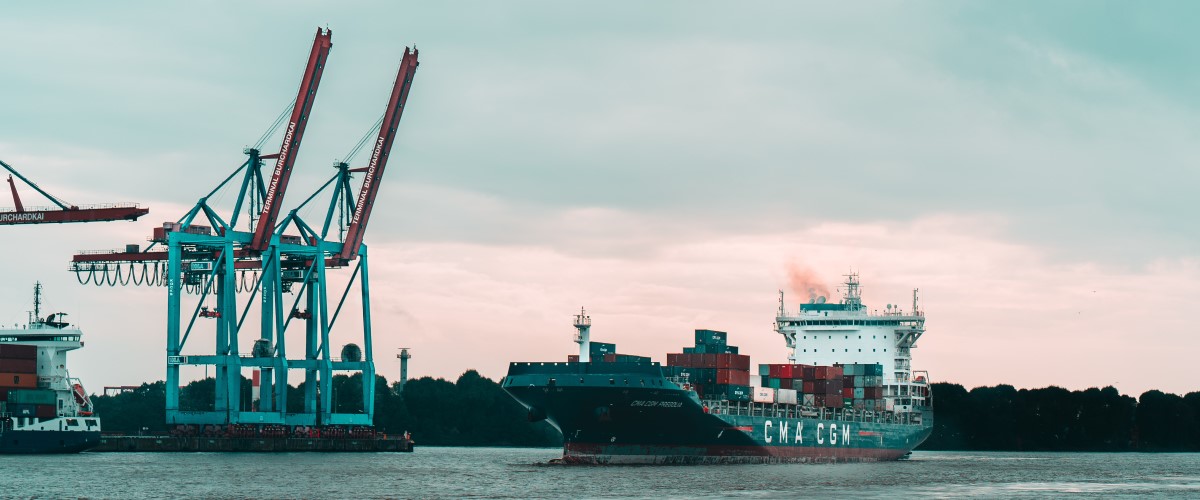
CMA CGM will acquire GCT Bayonne terminal in New Jersey and GCT New York terminal, solidifying their position as a top East Coast gateway to the U.S. Both terminals have a combined 2 million TEU capacity per year, with the opportunity to expand and double that capacity. If the deal clears, they would own seven terminals in the U.S.
Read MoreExcess of Containers in 2023 will lead to Insufficient Depot Space
With high inventories and slower demands, the shipping industry is experiencing a major slump in demand. One of the issues the industry will experience is a lack of container depot space.
Read MoreQ3 Trucking Demand Remains Strong
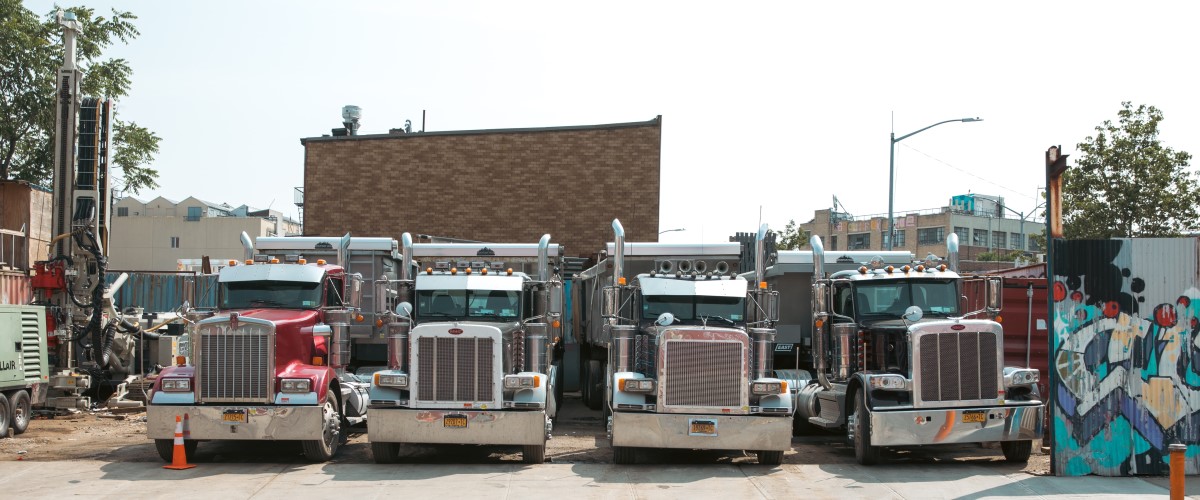
Driven by strong demand, truck capacity is close to its highest level in 10 years. The JOC Index measures actual trucks at large publicly owned truckload carriers, and was at 92.8 in the third quarter, which is the second highest index score in the last 10 years. Only the second quarter of 2022 scored higher at 93.2.
Read MoreSurvey: Supply Chain Disruptions Are Not Over Yet
The results of a recent SAP survey of senior business decision-makers show that supply chain disruptions are not over yet:
- 52% think their supply chain needs much improvement
- 49% expect current supply chain issues to last to the end of 2022
- 33% say issues will last until summer 2023
Oakland Strike a Reminder that Negotiations Ongoing for US West Coast Ports
On Nov 2, several terminals at the Port of Oakland were shut down because of unexpected labour action. Rather than a union-wide effort, this job action was taken from the local chapter of ILWU Local 34 and targeted the terminals that move goods internationally.
Read MoreShipping’s Long Road to Decarbonisation
The 2022 United Nations Climate Change Conference (COP27) was held in Egypt in November 2022, with the ambitious goal of tackling the global challenge of climate change. From COP27, the International Maritime Organization (IMO) reiterated a commitment to reducing greenhouse gas (GHG) emissions from ships by 40% by 2030 and 70% by 2050. Canada highlighted its pledge to work with the IMO to achieve net-zero GHG emissions by 2050. There is still a long way to decarbonisation in international shipping, but we are seeing global cooperation and progress.
Read MoreIncreased Blank Sailings and Idle Ships from Declining Trans-Pacific Demand
North American demand for Asian imports continues to decline due to fears of an economic recession and inventory corrections by retailers. This has caused an increase in idle ships and blank sailings, as shipping companies remove capacity and attempt to keep rates up.
Read MoreReport Gives 21 Recommendations to Improve Canada’s Supply Chain
Major supply chain disruptions in the last two years prompted the appointment of the National Supply Chain Task Force, who’s mandate was to provide independent advice to the Minister of Transport on how to ensure that Canada’s supply chain is resilient and fluid.
Read MoreNew $1.5 Billion Rail Facility Planned to Ease California Port Congestion
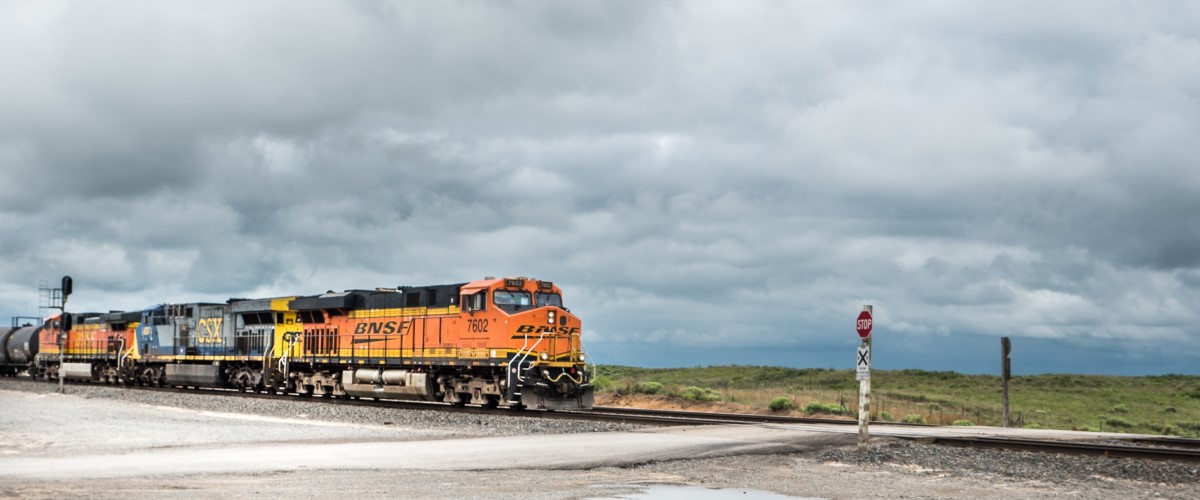
BNSF Railway recently announced plans to build Barstow International Gateway (BIG), which could transform the Southern California intermodal picture. The $1.5 billion BIG project will be a 4,100-acre facility that includes a rail yard, intermodal terminal, and transload warehouses. It will be located 130 freeway miles away from the Ports of Los Angeles and Long Beach, in the city of Barstow, California.
Read MoreDrop in Import Demand Causes Ocean Carriers to Cut Trans-Pacific Services
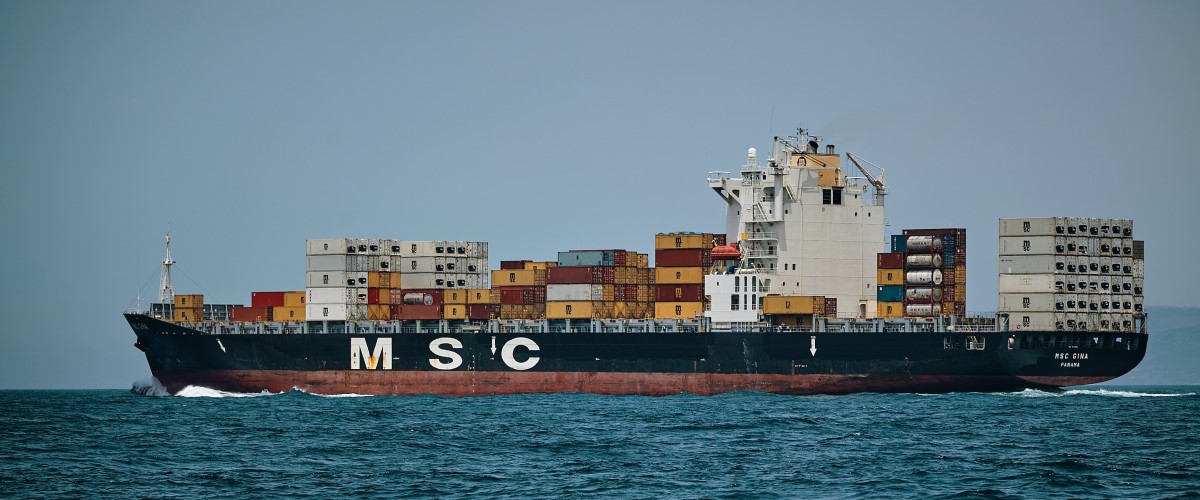
Several ocean carriers are cutting some of their trans-Pacific services in response to a drop in demand and falling ocean spot rates. Mediterranean Shipping Co., Maersk, and CMA CGM are cutting one post-Panamax service and two Panamax services. Some smaller lines are also pulling trans-Pacific services.
Read MoreCN Shuttling Import Containers to Eastern Canada to Relieve Western Port Backlog
There’s a backlog of marine containers at the ports of Vancouver and Prince Rupert. CN is helping to relieve this backlog by moving containers to their auxiliary storage yards in eastern Canada.
Read MoreAir Canada Cargo Adds New Flights from St. John’s to Frankfurt and Madrid
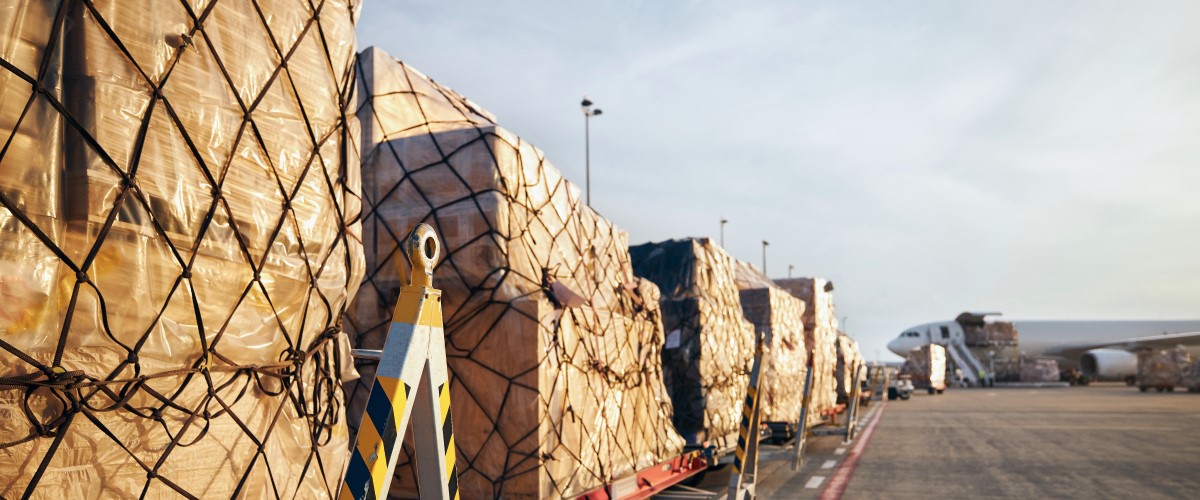
Air Canada Cargo launched a new service out of St. John’s international airport (YYT) which started Oct 1, 2022. Canada’s largest air cargo provider will operate its Boeing 767 freights five times a week with two non-stop flights to Frankfurt and three non-stop flights to Madrid. This is Canada’s only carrier to have a scheduled cargo service connecting St. John’s to Europe and will provide a boost to Newfoundland and Labrador’s economy.
Read MoreTrucking Rates Finally Declining
Shippers are finally experiencing some price relief from trucking costs. The US producer price indexes (PPIs) show that less-than-truckload (LTL) rates dropped 4.7% in August and truckload (TL) rates dropped 1.5%. Even with consecutive monthly decreases, LTL and TL rates are still up by 14.1% and 22% respectively from 2021. Industry experts say that the PPIs point to a market correction in LTL and TL rates, rather than a collapse.
Read MoreTyphoon impact Chinese Port Operations
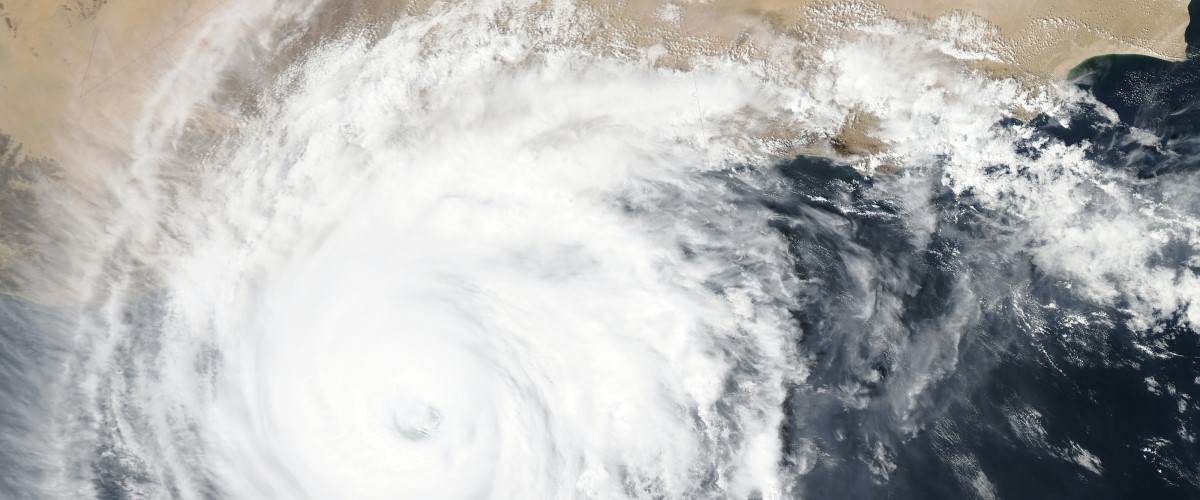
Chinese authorities closed the northeastern ports of Qingdao and Dalian last Thursday, ahead of the arrival of Typhoon Muifa. This followed the one-day closure of the ports of Shanghai and Ninbo last Wednesday, which were also impacted by the typhoon.
Read MoreTransshipment Delays in Central America
Central American and Caribbean ports are facing tight vessel capacity, schedule disruptions, and labour shortages due to COVID-19. Some shippers are facing up to four weeks of delays, as they wait for their cargo to be moved from one vessel to another while in transit to its final destination.
Read More