 Request Quote
 Book Shipment
 Meet with Us

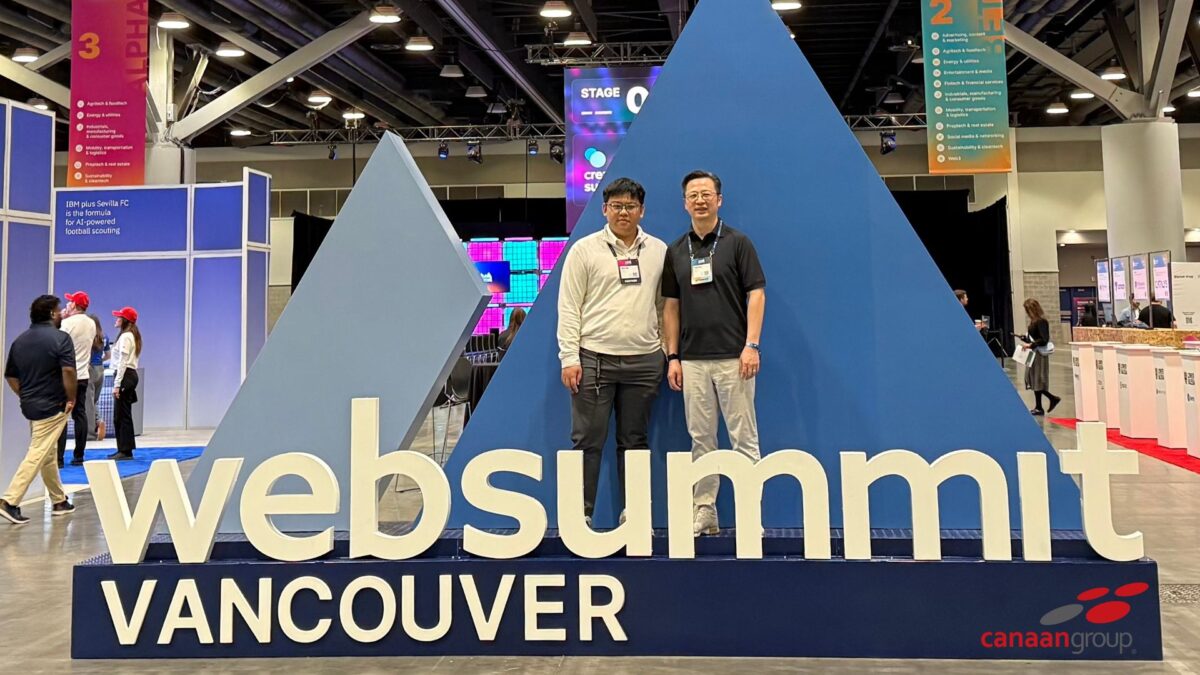
From the desk of Patrick Lo, president/CEO of Canaan Group
Earlier this month, Canaan team member Jimmy and I attended Web Summit Vancouver — one of North America’s most prominent technology conferences. The scale of it was striking: thousands of delegates, hundreds of exhibitors, and an overwhelming number of startups each convinced they are building the next transformative platform. The ambition in that room was real and contagious.
One of our main conclusions after two days was this: the world of technology and the world of logistics are still speaking very different languages.
Of course, AI was the term on everybody’s lips. But missing in the conversations were the day-to-day realities that face clients and partners in the supply chain industry, which remains the backbone of not just business operations but of everyone who relies on the transportation of goods from one place to another (which is to say: everyone). Why weren’t we talking about how new technology would affect containers, customs, and cargo?
AI technology is still relatively shiny and new, and it’s naturally and justifiable that it gets so much attention. And yet, the world still depends on the messy, physical reality of global supply chain. Port congestion. Demurrage disputes. Compliance across borders. Empty container repositioning. Rail drayage coordination. These are not problems you solve with a well-designed dashboard alone — they require deep operational experience, trusted relationships, and people who have spent years understanding how freight actually moves.
Among the thousands of attendees striving to digitize the world, who has had experience standing at a terminal gate, tracking a missing container, or navigating a customs hold at 4 p.m. on a Friday? Who can connect the digital with the physical?
Walking away from Web Summit, we came back not discouraged, but energized. Because while others are talking about disrupting logistics from the outside, we are building from the inside out.
Canaan Group speaks both the language of logistics and technology.
Most companies in our industry are either technology companies that have learned a little logistics, or logistics companies that have bolted on a software subscription. We are neither.
We have in-house software developers who sit alongside our operations team. They understand the constraints of a port cutoff just as well as they understand an API integration. That combination — operational fluency plus technical capability — means that when we build a solution, it is built around how freight actually moves, not how someone thinks it does.
Our goal is not to automate your relationship with us. It is to give you better visibility, resolve the pain points before they become crises, and make sure that when you need a person, a knowledgeable person picks up the phone. Technology in service of people — not the other way around. From our very beginnings to present day, Canaan Group has always maintained that we are, at our core, in the business of serving people.
If there is a challenge in your supply chain you have not found a real answer to yet, we would love that conversation.