 Request Quote
 Book Shipment
 Meet with Us

What Is Happening and Why It Matters
If your business moves time-sensitive goods by air — importing from Asia, sourcing from Europe, or shipping internationally — the next 60 to 90 days represent the most difficult air freight environment in years. The cause is a jet fuel shortage triggered by the U.S.-Israel war on Iran, which began in late February 2026. Since then, the price of jet fuel has more than doubled in key markets. Energy analysts are warning that a more serious shortage could develop in May and June — meaning not just higher costs, but actual flight cancellations on a wide scale.
The Airline Response Has Been Swift and Severe
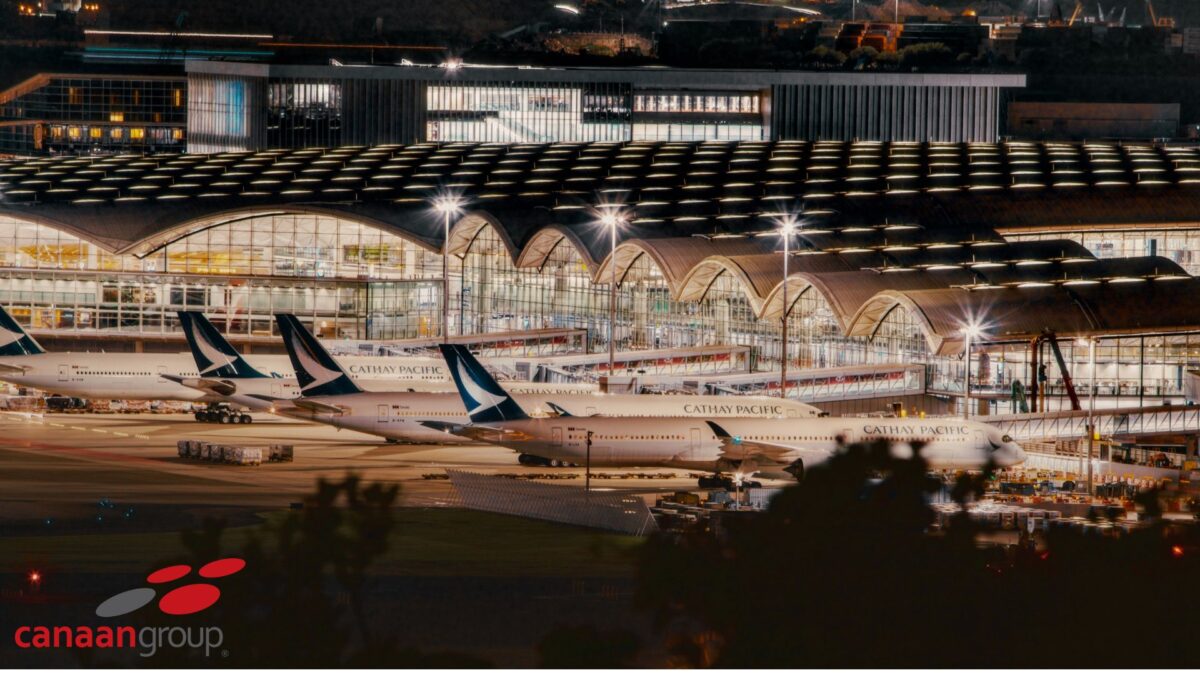
Major carriers around the world have already begun cutting capacity. Lufthansa has removed 20,000 short-haul flights from its schedule through October. United Airlines has reduced its forward schedule by approximately 5%. Cathay Pacific — one of the largest cargo carriers on the Asia routes critical to Canadian importers — is cutting at least 2% of capacity from mid-May through June. Vietnam Airlines and Korean Air have taken similar steps.
The cost increases have been equally sharp. Fuel surcharges on some major international routes have jumped dramatically in a matter of weeks. Roughly half of all international air freight routes saw month-over-month price increases of 20% or more in March alone, according to industry data. These are not temporary adjustments — even if the Strait of Hormuz were to reopen today, analysts estimate it would take until at least July before fuel supplies could begin returning to normal levels.
What This Means for Your Business
Canadian importers relying on air freight from Asia or Europe are now operating in a market where capacity is shrinking, surcharges are compounding week over week, and airlines are making hard choices about which routes to keep. With summer demand approaching — traditionally the busiest period for passenger flights, which compete with cargo for belly space — the pressure on available air freight capacity is likely to increase further before it eases.
The window to act is now, before the market tightens further.
How Canaan Group Can Help
Our air freight team is actively working with clients to secure capacity on alternative routings that bypass disrupted Middle East hubs — including direct transpacific options and truck-air combinations that replace the now-disrupted Jebel Ali sea-air model. Where lead times allow, we are also helping clients evaluate a shift to expedited ocean freight, protecting their air freight budget for shipments that truly cannot move any other way.
If you are moving air freight from Asia or Europe and have not yet spoken with your logistics provider about what this means for your specific lanes, that conversation needs to happen today. Reach out to the Canaan Group air freight team — we are ready to help you find a path through this.
Key Takeaways
- Jet fuel prices have more than doubled since late February due to the U.S.-Israel war on Iran and the closure of the Strait of Hormuz
- Major carriers including Lufthansa, United, Cathay Pacific, and others have cut capacity — with more reductions likely through summer
- Even if the conflict eases, analysts expect disruption to continue until at least July
- Canadian shippers on Asia and Europe lanes face shrinking capacity and rising surcharges heading into peak season
- Canaan Group is actively securing alternative routing options — contact our air freight team now