 Request Quote
 Book Shipment
 Meet with Us

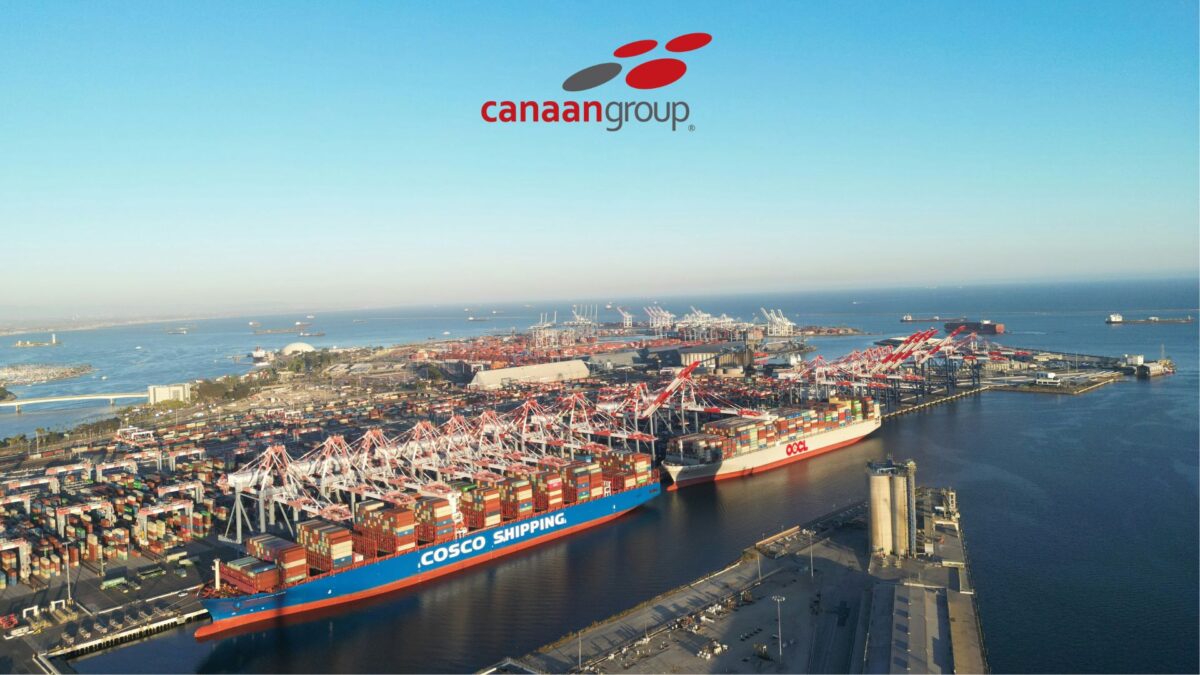
Here are three key takeaways from last week’s TPM, one of the most important annual gatherings for leaders in container shipping, logistics, and supply chain management, hosted by the Journal of Commerce in Long Beach, California.
Geopolitical conflict raises risk but also indicates new industry resilience
One of the dominant discussions at TPM26 was the ongoing impact of geopolitical conflicts on global supply chains. In particular, tensions and military activity in the Middle East have raised concerns about disruptions to key shipping routes.
However, analysts speaking at TPM26 noted that while the conflict creates uncertainty, it is unlikely to cause the same level of disruption seen during the COVID-19 pandemic, which trigged significant systemic breakdowns.
This reflects how the industry has evolved since 2020. Carriers, shippers, and logistics providers have invested in more resilient supply chain strategies, including diversified sourcing, alternative routing options, and improved visibility tools.
For freight forwarders and logistics providers, the lesson is clear: supply chains must remain flexible enough to adapt quickly to geopolitical shocks.
Ocean carriers are tightening capacity as networks stabilize
Another important takeaway from TPM26 is the shift in how carriers are managing vessel capacity. During the past several years of disruption, shipping lines added extra vessels into service rotations to help stabilize schedules and maintain reliability.
Now, with schedule reliability approaching around 90 percent, some carriers are beginning to remove this additional “buffer capacity” from their networks. This was highlighted in discussions at TPM26, where shipping executives indicated that the extra ships initially deployed to maintain reliability are gradually being phased out.
The implication for the market is significant. With less excess capacity in the system, shipping networks may become more sensitive to sudden demand spikes or disruptions. This could lead to increased freight rate volatility, particularly during peak shipping seasons.
For forwarders and shippers, strong carrier relationships and effective capacity planning will remain essential.
Structural supply chain bottlenecks are still unresolved
Despite improvements in some areas of global logistics, TPM26 discussions also highlighted ongoing structural challenges within the supply chain.
One example frequently mentioned is persistent congestion at certain global ports. According to JOC analysis, bottlenecks at major European ports continue to ripple through Asia-Europe supply chains, affecting vessel schedules and inventory positioning.
These kinds of infrastructure constraints demonstrate that while the industry has adapted to recent disruptions, long-term structural challenges remain. Port capacity limitations, labor constraints, and container imbalances continue to influence shipping performance.